The main cause of hydraulic oil emulsification on concrete mixer trucks is water in the hydraulic system, which is mixed with water after a long time. The removed hydraulic oil will form an emulsification of the hydraulic oil.
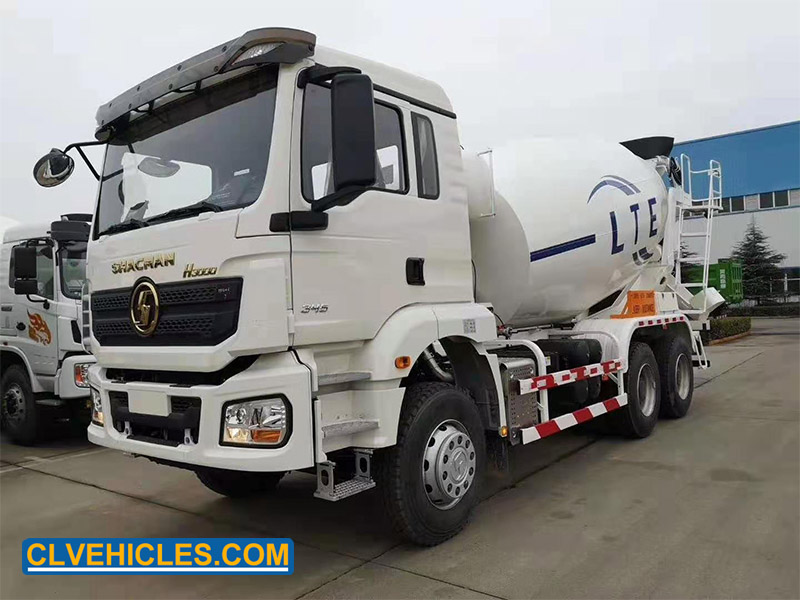
We found that water enters the hydraulic system due to the following reasons:
a. Working in a humid environment, the moisture in the air condenses due to the alternation of cold and heat, turning into water droplets and falling into the oil;
b. The rainwater on the fuel tank seeps into the fuel tank due to the weak sealing of welding and connection parts;
c. Due to the damage of the pumping cylinder seal and the damage of the mixing motor, moisture is brought into the oil;
d. Daily maintenance, cleaning, oil change, and maintenance process bring in moisture.
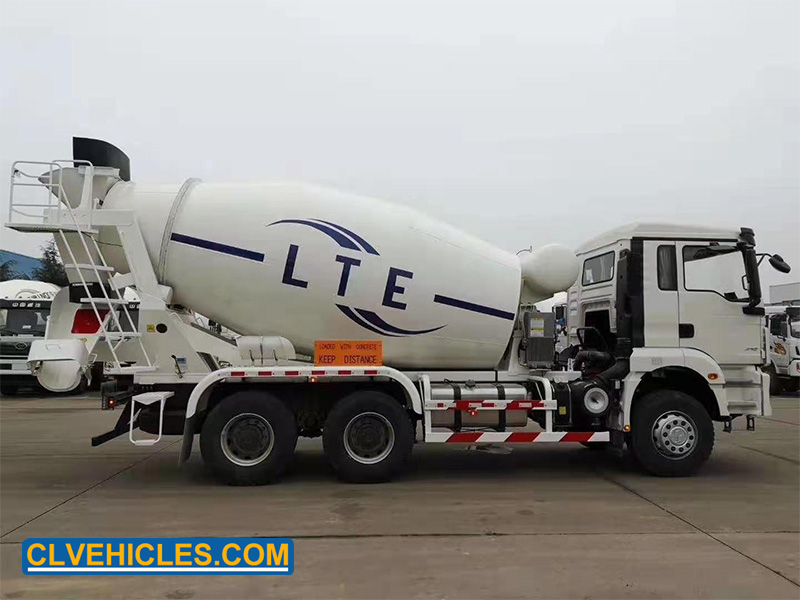
To prevent the oil from emulsifying, we must first prevent moisture from entering the hydraulic system. When the car leaves the factory, the welding and connection parts must be manufactured in accordance with regulations to strictly ensure that the production quality is qualified. In addition, we are also required to take some waterproof measures during use and maintenance:
a. Drain water in time. It is recommended to open the water valve to drain water before each work;
b. When the conditions are sufficient, when the oil temperature is too high, water can be poured on the closed cavity of the pumping cylinder and the cooler to reduce the oil temperature and prevent the generation of high-temperature oxides. It is also possible to reduce the system temperature by reducing the displacement of the oil pump.
c. Try to avoid changing the oil on rainy days. If you change the oil on rainy days, you should take measures to prevent rainwater from entering the fuel tank. When repairing on rainy days, take waterproof measures for the fuel tank.
Fourth, the early hydraulic system water can be separated by a filter, or in the process of feeding, the fan is not turned on at the end, the feeding is half an hour, after receiving the car, cooling and standing for a period of time, and then draining after the separation of oil and water. After the oil of the emulsifying equipment is changed, it must be drained regularly to prevent re-emulsification.
评论
发表评论