跳至主要内容

Functional Requirements For Truck Mounted Crane


General truck mounted crane have the following functional requirements:

1. The crane can be easily transferred with the truck, meeting the requirements of mobility, flexibility and no need for power supply in field operations.
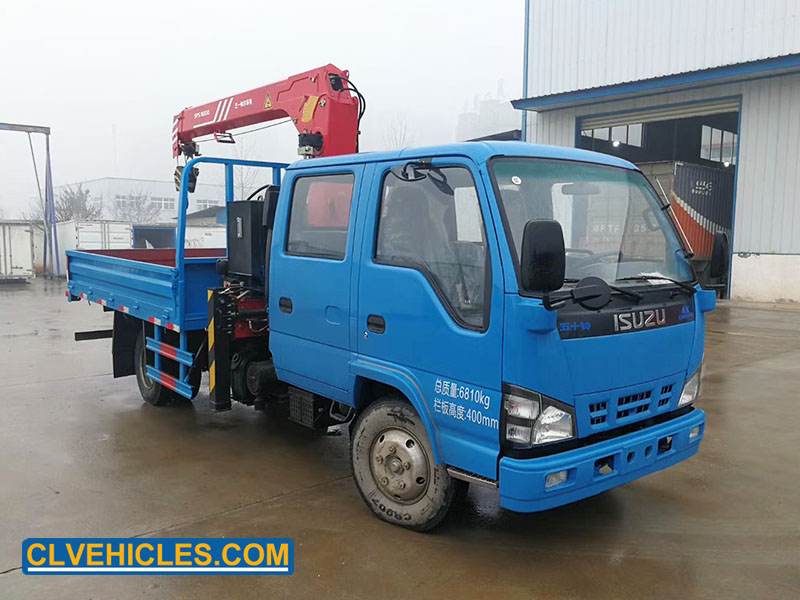
crew cab crane truck


2. The outrigger mechanism can lift the whole vehicle when the truck-mounted hoisting and transport vehicle is carrying out the lifting operation, so that all the tires of the car are off the ground, free from the direct operation of the lifting load, and the supporting state of the hydraulic outriggers can last for a long time. Keep the position unchanged to prevent soft legs when lifting heavy objects.
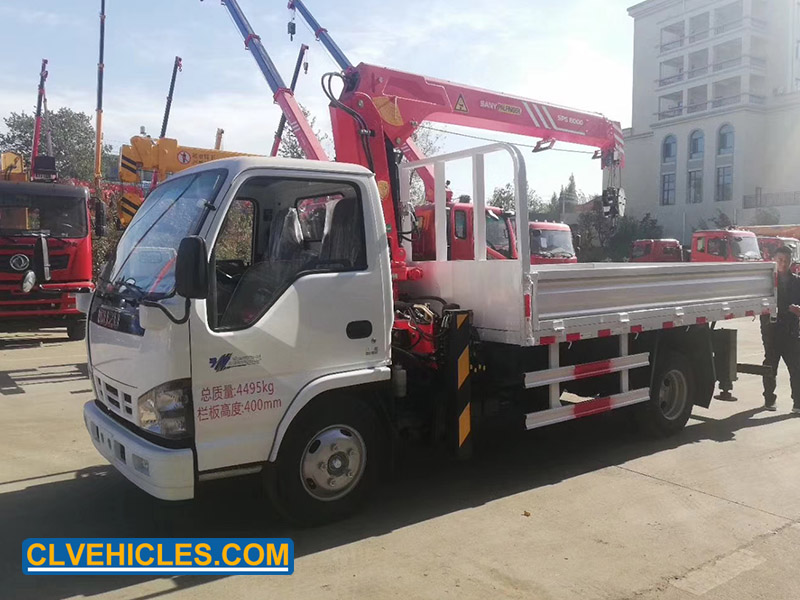

crane with ISUZU chassis

3. The length and depression angle of the boom can be adjusted, balanced and locked arbitrarily within a certain range to meet the requirements of different lifting operations.
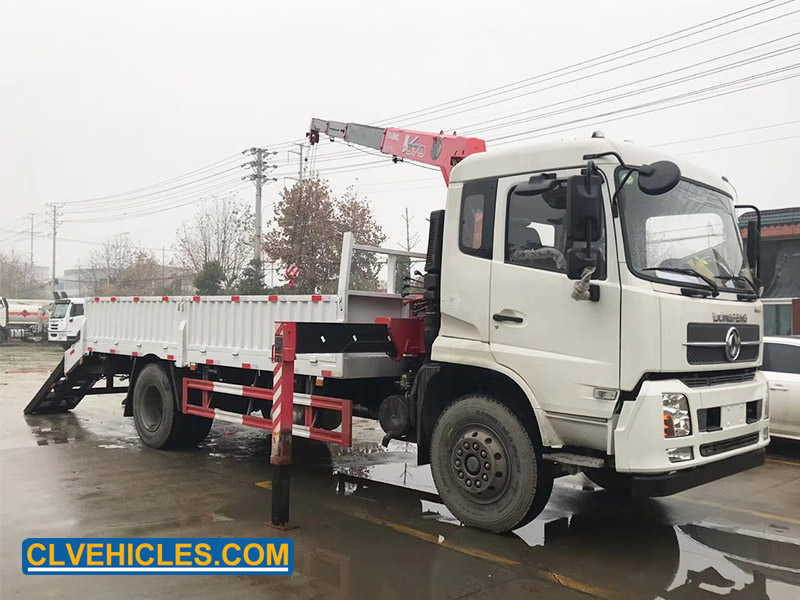
cargo truck with crane

4. The jib of the truck-mounted hoisting and transporter can be rotated and locked arbitrarily within 360 degrees.
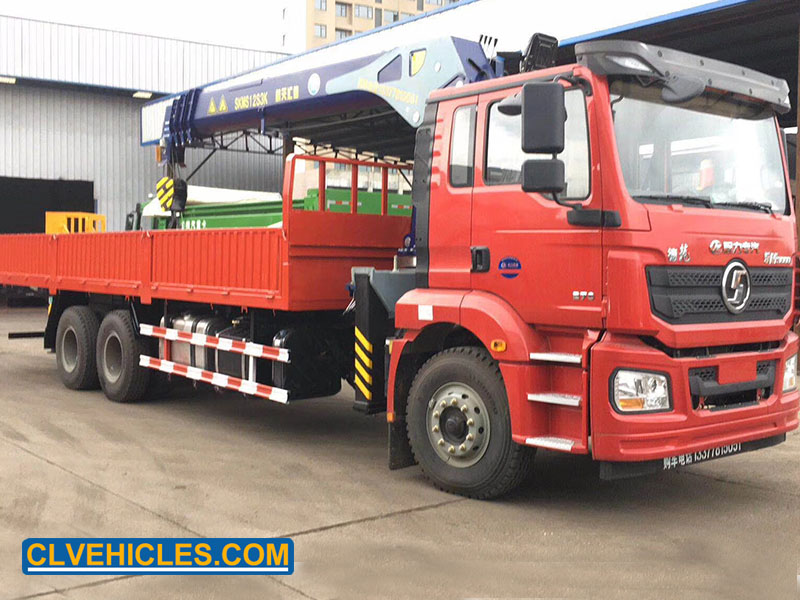
shacman crane truck

5. The truck-mounted hoisting truck can lift the heavy objects arbitrarily up and down within a certain speed range, and can stop under the load at any position, and the car does not slip when the load is started.

评论

此博客中的热门博文

How to Prevent Hydraulic Oil From Emulsifying On Concrete Mixer Truck?

The main cause of hydraulic oil emulsification on concrete mixer truck s is water in the hydraulic system, which is mixed with water after a long time. The removed hydraulic oil will form an emulsification of the hydraulic oil. We found that water enters the hydraulic system due to the following reasons: a. Working in a humid environment, the moisture in the air condenses due to the alternation of cold and heat, turning into water droplets and falling into the oil; b. The rainwater on the fuel tank seeps into the fuel tank due to the weak sealing of welding and connection parts; c.  Due to the damage of the pumping cylinder seal and the damage of the mixing motor, moisture is brought into the oil; d. Daily maintenance, cleaning, oil change, and maintenance process bring in moisture. To prevent the oil from emulsifying, we must first prevent moisture from entering the hydraulic system. When the car leaves the factory, the welding and connection parts must be manufactured in accord...

What is a flatbed semi trailer?

  A   flatbed semi trailer   is a very useful platform that is used in the shipping industry. It is primarily used for the transportation of shipping containers of different sizes. This is a long flat platform of either 20ft, 40ft, 48ft or 53ft length used for carrying shipping containers.  The flatbed semi trailer has no roof or walls to the side. It is a bare platform on which different container sizes are secured using container locks ready for transportation.The size of the FengYuan flatbed semi trailer loading area is determined according to the standard container size. A twist lock device for fixing the container is provided at positions corresponding to the four corners of the bottom of the container. However, it can also be used to take up other different types of loads. These different types of flatbed trailers have different capabilities and usefulness for various applications as discussed in here. Understanding their operations and basic specification...

Installation Guide of Turbo Charger

Please install your turbochargers according to our following installation guide in order to avoid some unnecessary damages. *Pre-Installation 1. Change new recommended quality oil & air filters. 2. Change recommended engine oil. 3. Pre-oil the turbo oil inlet. 4. Change new oil inlet pipes or flush the oil inlet pipes to remove flakes or carbon deposits. 5. Ensure oil supply of at least 0.5kgf/m2 or 7 psi within 3 seconds 1st engine start (if possible, use oil gauge to measure). 6. Mount turbine inlet to engine manifold 7. Attach oil inlet pipe to turbo and crank the engine a few times until oil flows out of the turbo oil drain. Then attach the oil drain pipe. 8. Connect remaining air piping hose. 9. Ensure that all bolts, screws & nuts are tightened. 10. Allow engine to idle for 5 minutes before operating at higher rpm. 11. Check for unusual noises and leaks 12. Do not operate the turbo if you suspect any problems. Consult us immediately. ...