跳至主要内容

Operation Instructions of High Pressure Water Spraying Truck


Matters needing attention in water system of high-pressure water spraying truck

Check each seal before operation to see if there is water leakage or water seepage at the joint, otherwise the sealing ring should be replaced in time. First, check once a week, and once a month, check whether there is sediment and other dirt in the filter; secondly, check the power take-off, transmission shaft, gearbox, coupling and other parts before operation. Whether the solid parts are loose; whether there is oil leakage or oil leakage at the joint; whether the operation of each component is light and mobile, stable and normal, and whether there is abnormal noise such as vibration.
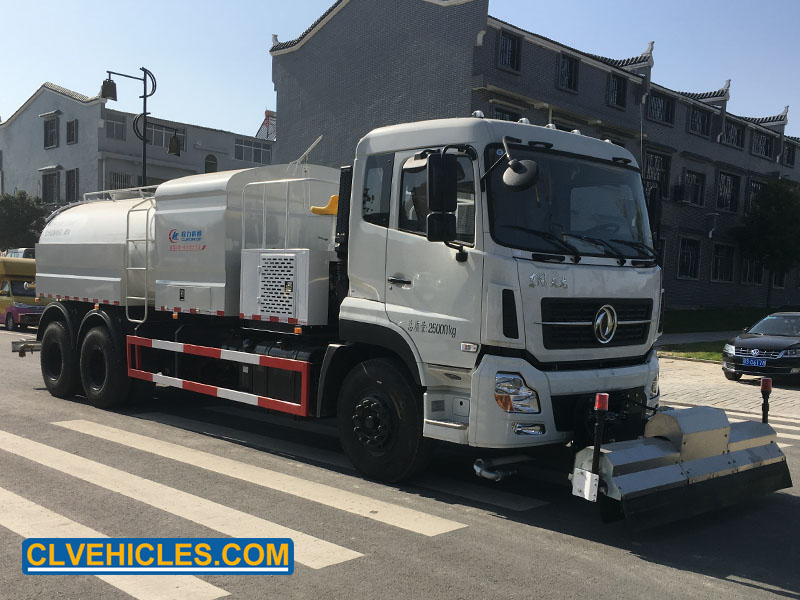
water spraying truck

Precautions for the hydraulic system of water sprinkler truck

Check each seal before operation to see if there is oil leakage or oil leakage at the joint, or replace the sealing ring. Check the dirt of the filter in the fuel tank every six months, and clean the dirt in the filter in real time. The oil in the hydraulic oil tank should be changed once a month for the first time, 3 months for the second time, and once a year thereafter. When choosing hydraulic oil, you should choose different types of hydraulic oil according to the difference of seasons. Use N32 in winter and N46 in summer.
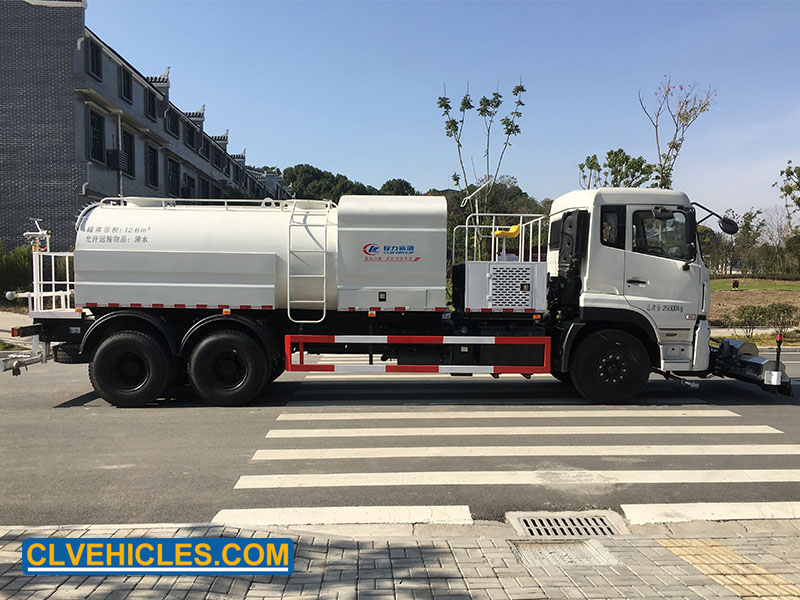
water spraying truck


During the operation of the high-pressure washing truck, some details should be paid attention to. During the operation, the operator must not leave the control cabinet, so as to deal with the unexpected accident in real time. When working, first put the nozzle into the pipeline, and then open the three valves, and other staff should not approach the nozzle to avoid hurting people. Do not use high pressure for water delivery, car washing, and wall washing. Clean water should be used. Sewage will not only shorten the service life of the truck, but also have a great impact on the utilization of the truck.
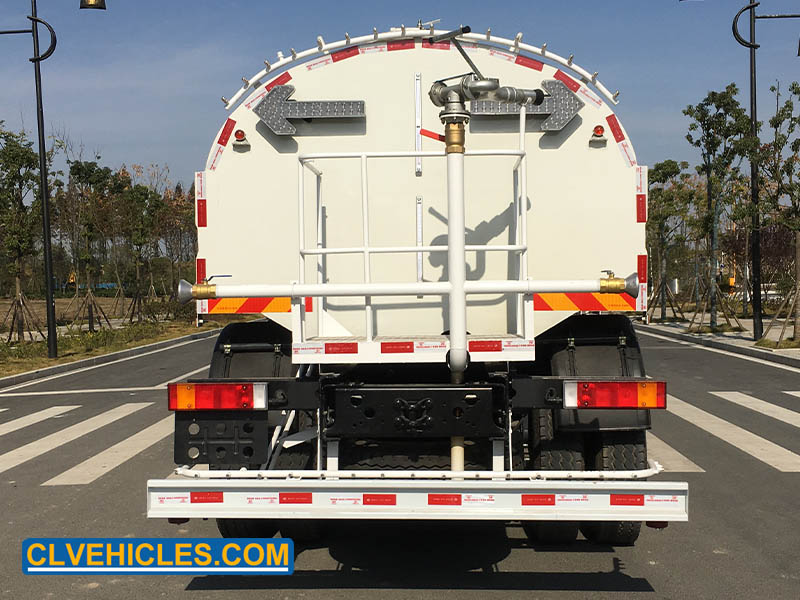

water tank truck


评论

此博客中的热门博文

How to Prevent Hydraulic Oil From Emulsifying On Concrete Mixer Truck?

The main cause of hydraulic oil emulsification on concrete mixer truck s is water in the hydraulic system, which is mixed with water after a long time. The removed hydraulic oil will form an emulsification of the hydraulic oil. We found that water enters the hydraulic system due to the following reasons: a. Working in a humid environment, the moisture in the air condenses due to the alternation of cold and heat, turning into water droplets and falling into the oil; b. The rainwater on the fuel tank seeps into the fuel tank due to the weak sealing of welding and connection parts; c.  Due to the damage of the pumping cylinder seal and the damage of the mixing motor, moisture is brought into the oil; d. Daily maintenance, cleaning, oil change, and maintenance process bring in moisture. To prevent the oil from emulsifying, we must first prevent moisture from entering the hydraulic system. When the car leaves the factory, the welding and connection parts must be manufactured in accord...

What is a flatbed semi trailer?

  A   flatbed semi trailer   is a very useful platform that is used in the shipping industry. It is primarily used for the transportation of shipping containers of different sizes. This is a long flat platform of either 20ft, 40ft, 48ft or 53ft length used for carrying shipping containers.  The flatbed semi trailer has no roof or walls to the side. It is a bare platform on which different container sizes are secured using container locks ready for transportation.The size of the FengYuan flatbed semi trailer loading area is determined according to the standard container size. A twist lock device for fixing the container is provided at positions corresponding to the four corners of the bottom of the container. However, it can also be used to take up other different types of loads. These different types of flatbed trailers have different capabilities and usefulness for various applications as discussed in here. Understanding their operations and basic specification...

Installation Guide of Turbo Charger

Please install your turbochargers according to our following installation guide in order to avoid some unnecessary damages. *Pre-Installation 1. Change new recommended quality oil & air filters. 2. Change recommended engine oil. 3. Pre-oil the turbo oil inlet. 4. Change new oil inlet pipes or flush the oil inlet pipes to remove flakes or carbon deposits. 5. Ensure oil supply of at least 0.5kgf/m2 or 7 psi within 3 seconds 1st engine start (if possible, use oil gauge to measure). 6. Mount turbine inlet to engine manifold 7. Attach oil inlet pipe to turbo and crank the engine a few times until oil flows out of the turbo oil drain. Then attach the oil drain pipe. 8. Connect remaining air piping hose. 9. Ensure that all bolts, screws & nuts are tightened. 10. Allow engine to idle for 5 minutes before operating at higher rpm. 11. Check for unusual noises and leaks 12. Do not operate the turbo if you suspect any problems. Consult us immediately. ...